Tackling Illiteracy, One Child at a Time
On the 8th of September 2021, the world commemorated International Literacy Day. This is an initiative spear-headed by UNESCO to remind the international community that literacy is a right not a privilege. Yet in South Africa more than half of all grade 4 pupils cannot read for meaning while an astounding 29% are completely illiterate. In addition, learner’s scores from the Annual National Assessment tests for grade 9s reveal that only 18% of learners scored more than 50% in their first additional language and only 48% of learners scored more than 50% in their home language.
At Just Grace, we understand that lacking basic literacy and comprehension skills has lasting effects and that is why we have committed ourselves to empowering and supporting young people through youth and community development programmes.
A Clear Picture of South Africa’s Literacy Crisis
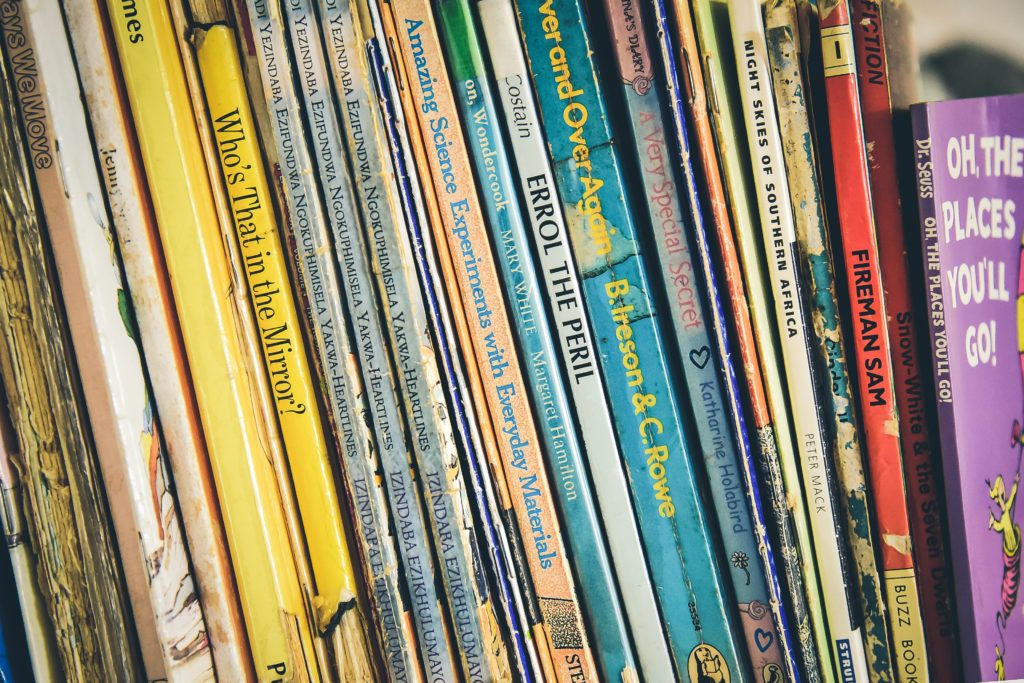
If you can read this blog post, count yourself lucky because more than 770 million young people and adults worldwide do not have basic literacy skills. These statistics are even bleaker in South Africa where eight out of 10 children cannot read in any language, this is according to The Progress in International Reading Literacy Study (PIRLS).
PIRLS conducts research on reading comprehension and looks at trends related to literacy every five years. In 2016, South Africa placed last out of 50 countries that participated. The study also revealed that approximately 78% of Grade 4 learners cannot read for meaning and a further 93% cannot read in their native language.
The truth is, while these statistics paint a devastating picture of a troubled education system plagued by high illiteracy rates, many children in South Africa are disadvantaged before they even enter school gates. Children who come from impoverished families hear on average 30 million fewer words than their opulent peers. This is important because exposure to reading advances one’s vocabulary and accelerates their overall learning capacity.
Without adequate support, secondary school learners run the risk of “silent exclusion” – attending classes but not understanding the content that is taught inside the classroom. Without the ability to decode independently and make meaning out of academic text, learners fall behind. For some, recovering from this lag is an impossible task, leaving them vulnerable, illiterate and without adequate education.
Learners who struggle to read for meaning are more likely to become high school dropouts. Without quality education, their chances of securing quality employment are slim to none.
No matter how ambitious one may be, without basic literacy they’re automatically disqualified from quality jobs rendering them more likely to remain in poverty and to be unemployed. The Langa community is no exception as its official unemployment rate currently stands at 53%.
However, not all is doom and gloom as there are organisations who are working tirelessly to improve literacy levels, Just Grace is a good example.
What We Do at Just Grace
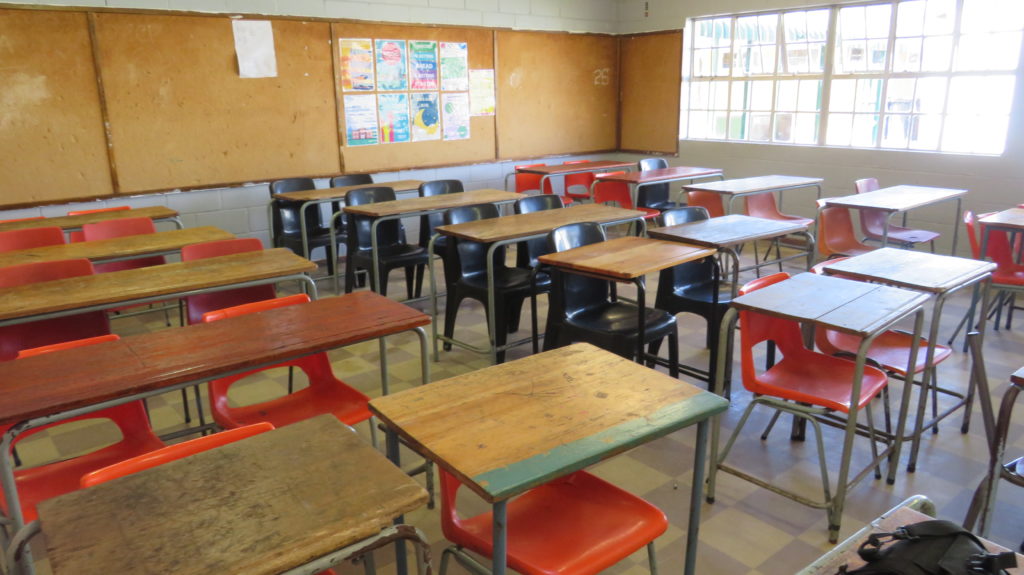
As a non-profit company based in Langa, our goal is to alleviate poverty through the provision of quality education, youth activation and community upliftment. The debilitating levels of illiteracy are one of the many obstacles that need to be overcome in order to foster sustainable and meaningful change.
To advance lifelong literacy and curb the persisting levels of unemployment, Just Grace has taken a proactive role in unleashing young people’s potential in the Langa community.
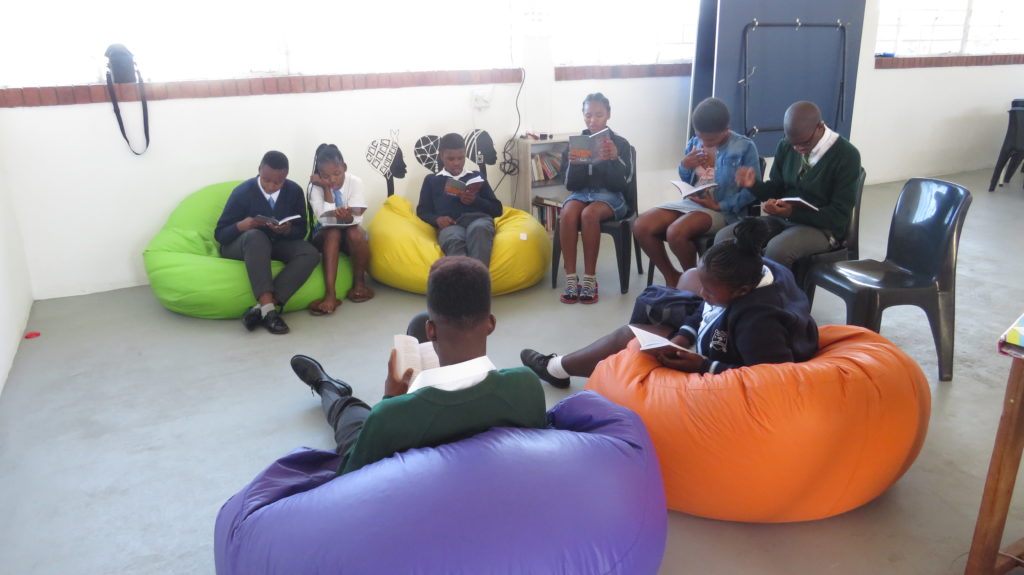
Our multidisciplinary and multidimensional intervention approach has allowed us to effectively impact more than 50 000 lives through our programmes. The Qhubeka! Youth Development Programme in particular, offers academic support, computer training, job shadowing, life skills, computer coding and reading proficiency through our book club.
The book club allows high school learners to engage with content in a way that develops critical thinking skills, an important trait to have for any learner with ambitions of attaining a tertiary qualification. According to the Journal of the Reading Association of South Africa, reading skills form the basis for learning and are an important element for obtaining knowledge in academic learning in all subject areas.
It Takes a Village to Solve Illiteracy
Our holistic approach to combating South Africa’s literacy crisis stems from understanding that illiteracy is not a stand-alone problem, it’s exacerbated by other socio-economic issues and requires the support and involvement of the community.
While we may not be able to turn back the hands of time and offer our students’ parents an opportunity to re-do their schooling experience, we can offer them practical skills, counselling and guidance on how to help their children succeed at school.
The Masincedane! Community Development Programme and the Phuhlisa! School Strengthening Programme empowers the Langa community through the provision of various psychosocial skills. The latter is a programme dedicated to reducing the high school dropout rate by increasing learner engagement through life skills and improved parental involvement. As it stands, approximately 40% of all learners drop out of school in South Africa and just 55% of students are enrolled for matric each year. These statistics have grown exponentially during the Covid 19 outbreak.
Research has shown that parental involvement in their children’s learning positively affects the child’s performance at school. However, surveys have shown time and time again that less than 10% of parents read to their children daily from infancy. We host parent support groups to equip parents with the necessary advice and skills so that they can play an important role in making sure their children achieve the best results at school.
As damning as our illiteracy levels are, we believe that there’s light at the end of the tunnel. If parents, teachers, NGOs and learners work together, learners won’t only learn out of obligation but out of enjoyment. In the famous words of Malala Yousafzi “Let us remember: “one book, one pen, one child and one teacher can change the world.”
References
http://mg.co.za/article/2018-01-26-00-it-takes-a-village-to-end-illiteracy/
http://en.unesco.org/themes/literacy
http://geo.youthexplorer.org.za/#geo:199028
http://africasacountry.com/2019/04/why-are-south-african-children-struggling-to-read-properly
http://files.eric.ed.gov/fulltext/EJ1186985.pdf
http://www.westerncape.gov.za/general-publication/importance-reading
http://help2read.org/2016/09/13/sobering-state-literacy-south-africa
